







Read news
Add bookmark
POPULAR
How Much Do Experts’ Ideas Matter for the European Union’s Political Agenda?The Vile BanknoteOil? Gas? Fertilizer? Just Life.Kalypso Nicolaidis: I Want a Woodstock for European PoliticsEurope’s Insurance Market in CrisisEuropean Urban Climate Resilience: Ambitious Plans are Hindered by the Lack of Funds and CoordinationHow the “virtues” of neoliberal globalization paved the way to its demiseEuropean Union ChallengesThe Summer Nobody Tells Us About: High Mortality Rates, Promises, and Reality in Contemporary ItalyClimate Damage Could Become a New European Fault Line
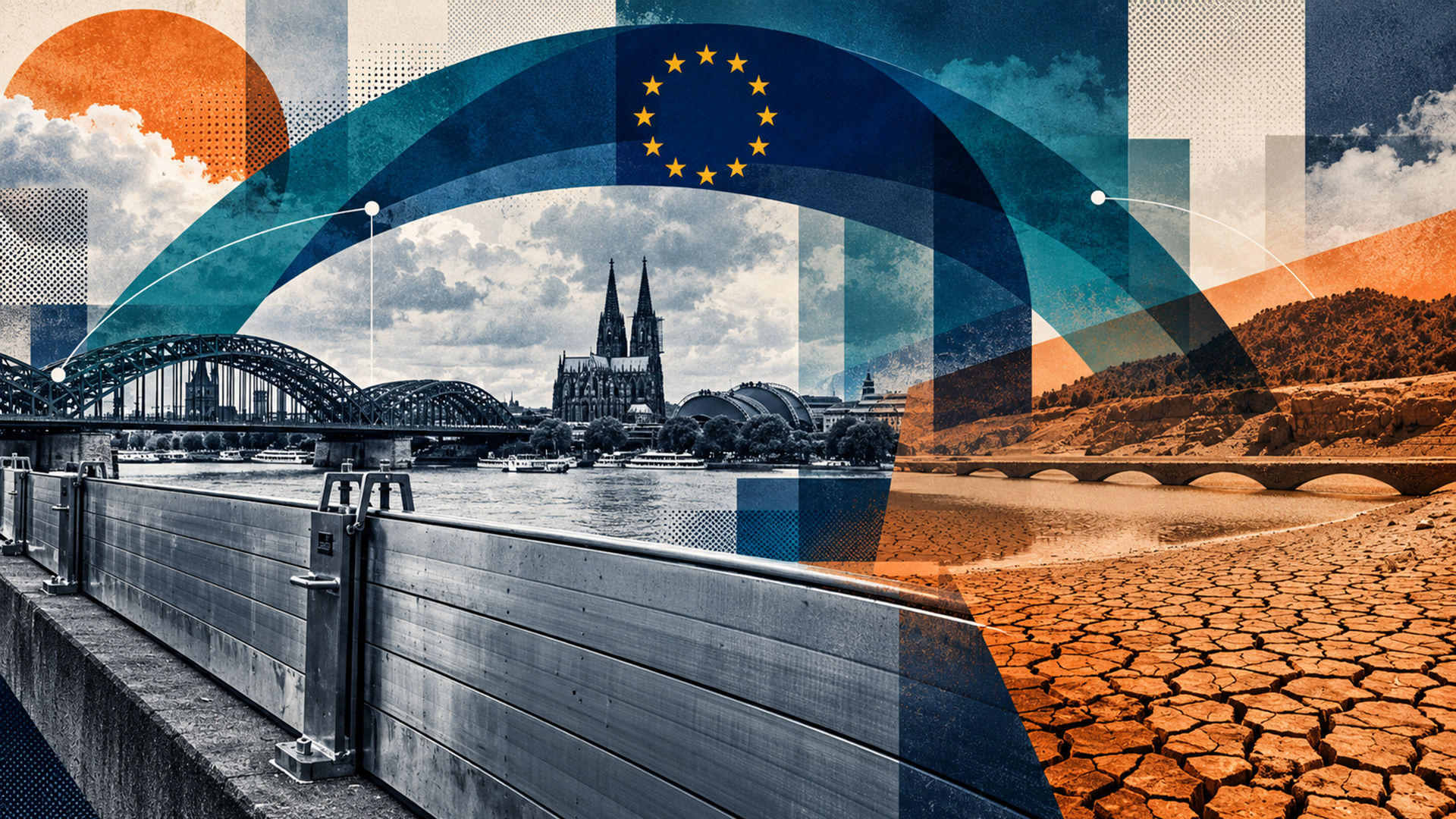
Experts of the Bruegel center examine the issues concerning responses to climate change and tackling its consequences in their article entitled Europe’s Climate-Resilience Moment Has Arrived.
Climate shocks are no longer exceptional, and economic losses from weather and climate-related extremes are mounting – an estimated EUR 822 billion in the EU between 1980 and 2024, about a quarter of which was concentrated in the four years from 2021 to 2024.
The EU has traditionally focused on climate mitigation efforts, but adaptation is becoming vitally important, determining how much damage Europe suffers from the warming that can no longer be avoided. Moves to improve adaptation are welcome but must take into account that climate damage could become a new European fault line.
The damage is unevenly distributed across regions, and the fiscal capacities to invest in resilience and absorb losses differ. Leaving adaptation to national governments alone could therefore amplify economic differences.
National governments face increasing demands to act as insurers of last resort, diverting public resources from productive, resilience-enhancing investment towards post-disaster relief.
Knowledge about what needs to be done to better adapt to climate change is often local. For example, it involves local planning for cities’ cooling infrastructure, drought management and even labor legislation on working conditions in extreme heat. But the EU must play a major role in three main areas.
Europe needs to move towards a genuine climate-risk sharing system. The current system of governments intervening after catastrophes, while private insurance coverage is inadequate and increasingly expensive in high-risk areas, is inefficient and ultimately unsustainable.
All EU investment should follow a ‘resilience by design’ principle. Electricity grids, transport networks, water systems, hospitals and other infrastructure financed or regulated by the EU should be built to withstand the climate conditions expected during its lifetime.
Climate resilience must be understood in the same way Europe increasingly understands defense and energy security: as a prerequisite for economic security. It is also a competitiveness issue. Infrastructure that cannot withstand rising temperatures, floods or droughts will generate stranded assets, higher insurance costs, supply disruptions and greater fiscal liabilities.
The forthcoming European Climate Resilience and Risk Management Framework should shift from responding to climate disasters to managing climate risk before disasters strike, while moving from fragmented national adaptation policies to a true European climate-resilience architecture.
Original publication: https://www.bruegel.org/first-glance/europes-climate-resilience-moment-has-arrived