







Read news
Add bookmark
POPULAR
How Much Do Experts’ Ideas Matter for the European Union’s Political Agenda?Oil? Gas? Fertilizer? Just Life.Kalypso Nicolaidis: I Want a Woodstock for European PoliticsThe Vile BanknoteThe Gulf War and Europe’s Helpless Energy PolicyHow the “virtues” of neoliberal globalization paved the way to its demiseFrom “Green” Well-Being to “Pure” Competitiveness: How the EU Gradually Abandons the Social Component of TransitionThe Gulf on the Front Line: The End of Strategic Hedging and New Space for EuropeansTurkey Offering Europe Its Mediation Again, Europe Again Ready to Accept ItWill Brussels prefer to accommodate Trump so as to prevent a ban on diesel exports to Europe?
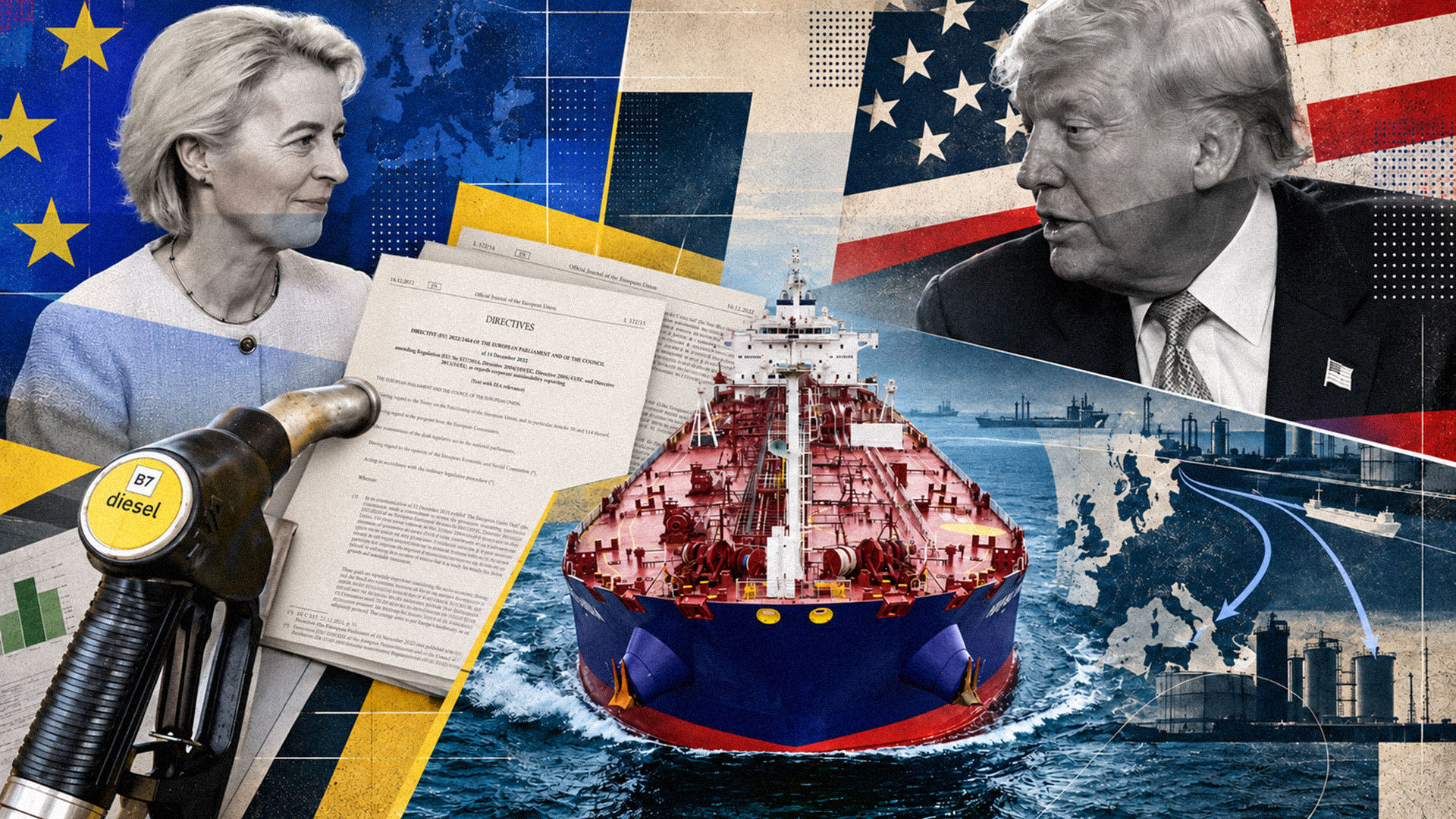
Yaël Ossowski, an international consumer advocate and deputy director at the Consumer Choice Center, examines in his article on The National Interest website what pushes up European diesel prices besides halted Russian supplies, the war crisis in the Persian Gulf and Trump’s desire to ban diesel exports.
Europe’s energy woes are hitting a breaking point. After years of high prices due to restricted fuel and gas supplies after the Russian invasion of Ukraine and the green-inspired dismantling of German nuclear energy reactors, the ongoing war in Iran has pushed up diesel prices in Europe to a continental average of more than USD 9.50 per gallon.
In the United States, meanwhile, diesel has hit an average of USD 6.53 per gallon, prompting President Donald Trump to float a ban on diesel fuel exports to keep domestic supply onshore. As the world’s largest diesel exporter, the United States currently supplies about half of the EU’s total diesel imports.
The removal of sanctions on Russian diesel by Trump could cool down U.S. market frenzy and pay a role ahead of the Congressional election, but would have no effect on the overall global price growth.
With no other diesel substitutes on the horizon, European diplomats are trying to prevent the proposed U.S. export ban and keep the fuel flowing to power Europe’s trucks and tractors.
There are two options Brussels could pursue if it wants to provide immediate price relief to its citizens. First, it can tell EU member states to cut fuel taxes, which make up nearly 40 percent of the price at the pump.
But Yaël Ossowski believes Europeans are unlikely to embrace massive tax cuts and starve their social spending. So a second option could be more acceptable: rolling back harmful anti-energy regulations in Europe that penalize American companies and consumers.
These are two important regulations – the Corporate Sustainability Due Diligence Directive (CSDDD) and the Corporate Sustainability Reporting Directive (CSRD) which require companies to provide reams of information on supply-chain ‘risks’ to sell their products into the EU. This includes data on local labor and environmental practices, as well as commitments to sustainability and social goals that uphold European values.
These laws force e.g. a Texas diesel refinery to report workforce data and calculate its carbon emissions before exporting its products into France or Belgium.
The Trump administration has long criticized Europe’s energy policies and their impact on American energy companies. Especially before a midterm election, President Trump has little incentive to shelve a proposed export ban to help European allies.
If the Europeans want to dissuade President Trump from a diesel export ban, rolling back restrictive regulations that impact American energy exports would be a solid offer the president could hardly refuse. If Europe wants to meet Trump on his level and do well by their own populations on the diesel shortage, they have a path: It’s the art of the deal.
Will Brussels agree to remove ideology from its energy policy and protect European consumers from the crisis in the global energy market?
Original publication: https://nationalinterest.org/blog/energy-world/how-europe-can-talk-donald-trump-out-of-a-diesel-export-ban