





Read news
Add bookmark
POPULAR
How Much Do Experts’ Ideas Matter for the European Union’s Political Agenda?Oil? Gas? Fertilizer? Just Life.Kalypso Nicolaidis: I Want a Woodstock for European PoliticsHow the “virtues” of neoliberal globalization paved the way to its demiseWhen Loneliness Pays Off: The Economics of Loneliness in the Digital AgeWhat To Think About Universal SuffrageLet Them Hate Me, As Long As They Fear Me / Oderint Dum MetuantThe InvalidsWill the Summer Never End? Is It the Only Problem the European Union Faces?Economic Policy, or the Economy that Governs Politics
It is clear that the majority of the population is becoming increasingly poorer, while those with resources are becoming increasingly richer, and the gap between the two is constantly widening.
Someone might say, “Thanks for nothing—you’re just telling us something we all already knew …” But that’s exactly the problem: if we all know it, why does the problem persist?
With the arrival of fall, I feel a bit more inspired to write, since I’m a citizen of a country that, for now, ranks among the worst in terms of GDP—and not just politically, where things are always bad, if not terrible. I’m really surprised that, after so many struggles and so many changes, we’ve been stuck in the same old rut for quite some time now. A government that has done very little to improve things has made us look ridiculous, and we still don’t really know what to expect for the future.
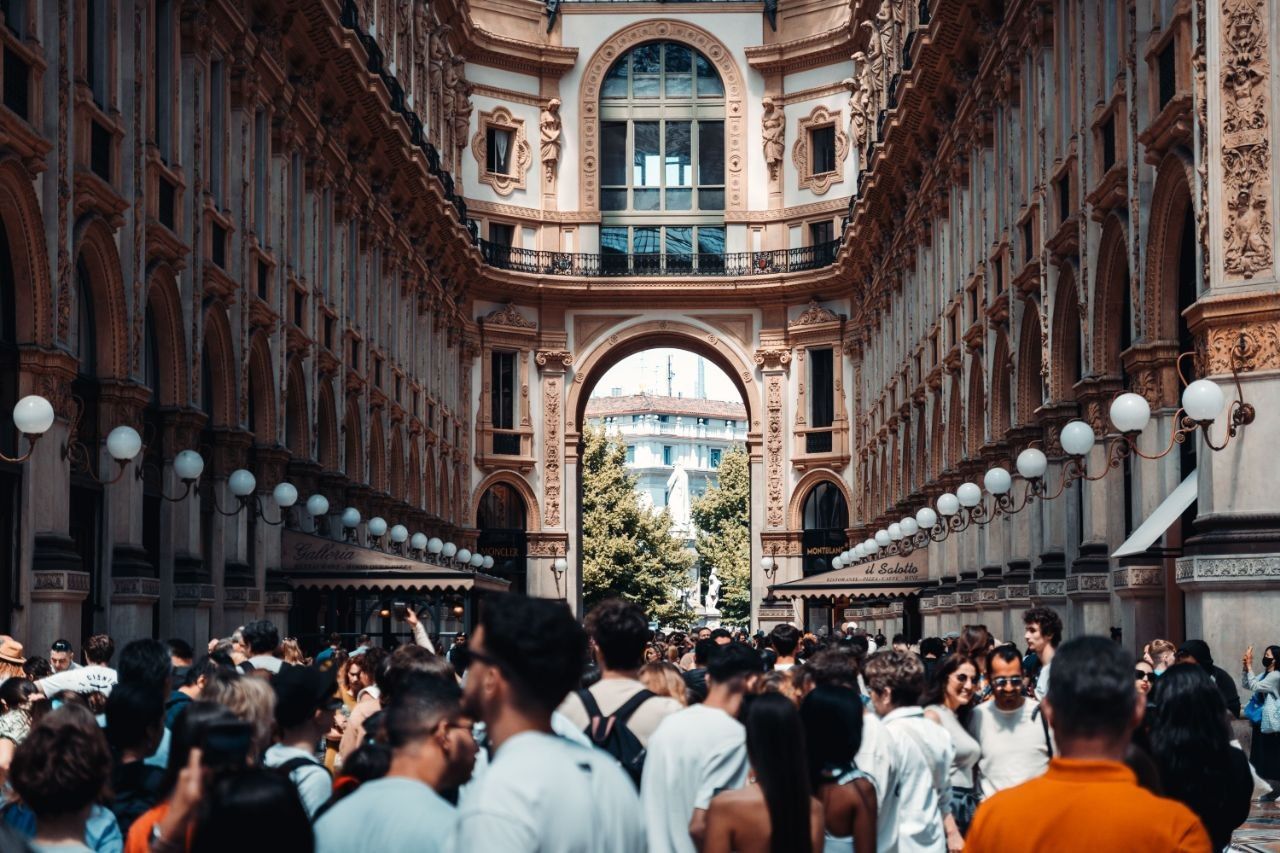
I’d like to say that, as I’ve been planning for a while, I’ll be taking a short trip—partly to see where the beautiful meets the ugly in one of Italy’s largest and most expensive cities. Every day we hear about crime—pickpockets, people being killed, and who knows what else—but as I wrote earlier, the media only covers what attracts the most attention, nothing else. So I’ll finally have the chance to express my own opinion on what really happens in this great city of fashion and luxury.
There’s a lot of talk about a sort of elimination of society—or at least the part of it that’s unable to adapt to change—and I understand, to a certain extent, why so many young people decide to start making videos to create content as a way to earn money by offering paid services to promote products, thereby becoming what’s known as an “influencer.” Stores that don't have a social media presence are practically dead, so if you want to stay in business, you either adapt or go broke.
I feel that as a society we are regressing more and more every day. Technology has made us lazy; we no longer know what fatigue is, but we do know stress, and discrimination is on the rise despite the passage of time. We live in multiple worlds, most of which are built on lies, and as if that weren’t enough, we are increasingly prone to psychological problems such as anxiety and depression.
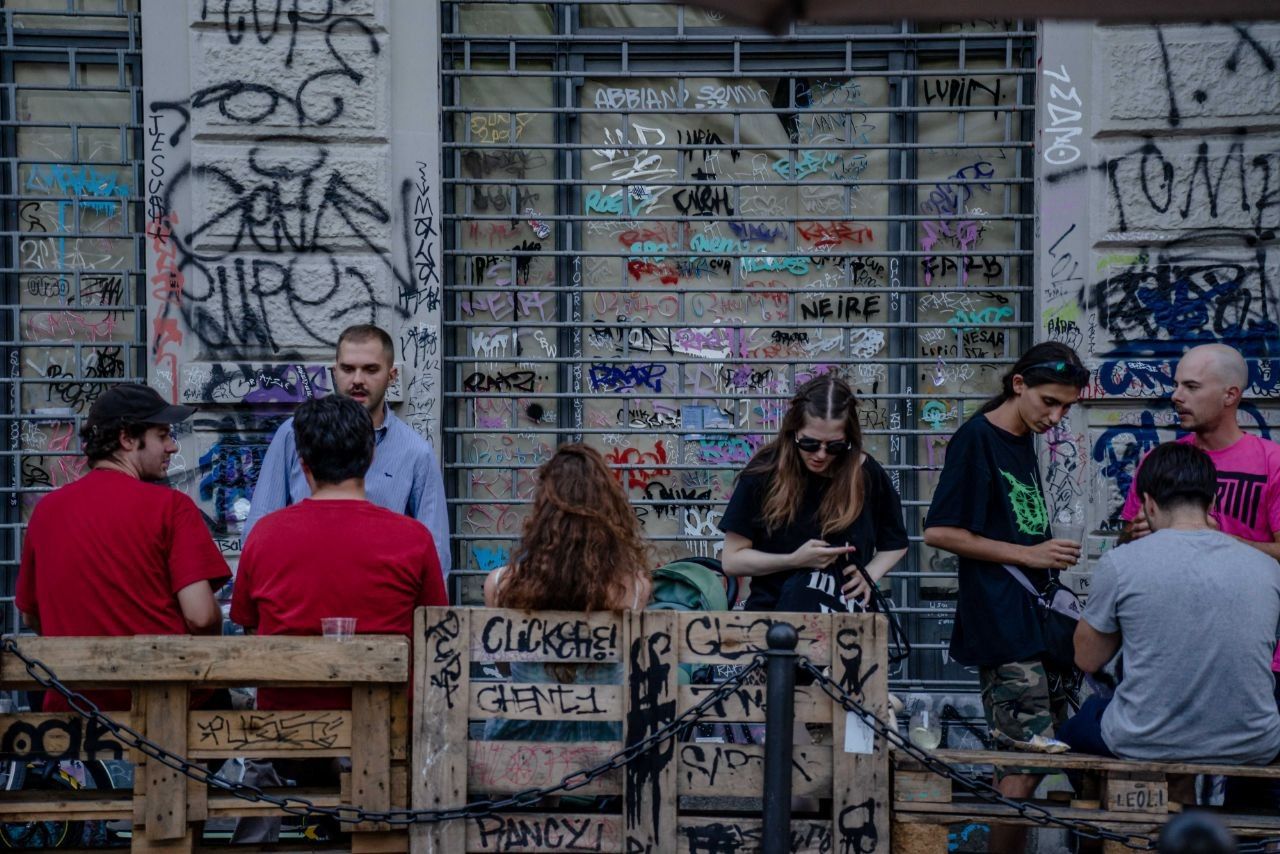
What really strikes me, though—and I certainly verify what I see on the news—are the long lines for daily bread or "pane quotidiano" where so many people find themselves waiting in line for some food to help them get by, due to high rent and jobs that are certainly not what they used to be, or pensions that, when combined with rent, aren’t enough to allow retirees to live a peaceful life.
There is such inequality that, even though it’s plain for all to see, it’s effectively ignored—no one wants to acknowledge that the gap between the rich and the poor is growing ever wider; the rich are getting richer and the poor are getting poorer. But now that all of this has been accepted, do we all just pretend that this divide doesn’t exist? It saddens me to think that this happens every day, and that those who could improve the lives of others are so selfish that they turn a blind eye—but of course, I live in a fantasy world, though that’s another story.
Let’s get back to the facts: in a small survey conducted among many Italians—who were asked who they would vote for in an election—more than 26% said they would vote for Fratelli d’Italia rather than the party currently in power, which is very disappointing, if I may express my personal opinion. It’s also worth noting that there are no real candidates at this moment in history; politics is deeply corrupt, and since everyone knows this, it makes the choice even more limited—it’s always the same people swapping seats.
People have gone from being tired to being resigned, but couldn’t this have been, in part, a political strategy that worked perfectly? Our politicians are so ridiculous that they simply annoy voters and repel them, causing them to focus their limited energy on accepting the current government.
And it’s as if there were widespread ignorance about the future and a lack of civic-mindedness, a sort of acceptance of a state of lethargy—when it comes to rights, there are few who truly want to speak out, and those who do so have not the slightest idea of what they’re doing, we have the possibility of being governed by people who truly lack even the slightest consistency—and I’m not just talking about a small town like mine; I’m also speaking on a global level, where great leaders change their opinions and rhetoric every day, always siding with the economic interests of those few who grow richer every day at the expense of the rest of us—who are always and only us. A sleeping and drowsy population.