







Read news
Add bookmark
POPULAR
How Much Do Experts’ Ideas Matter for the European Union’s Political Agenda?Oil? Gas? Fertilizer? Just Life.Kalypso Nicolaidis: I Want a Woodstock for European PoliticsAI and Democracy: Carnegie Endowment Paving the Way to Big TechEurope Still Needs China: Washington is the Main ThreatDefending Europe without the US: an illusion of strategic autonomy and a reality of strategic helplessnessEuropean Unity in the Interests of Security. Split along the North-South LineA Gas Dead End for EuropeHow the “virtues” of neoliberal globalization paved the way to its demiseEurope Remains Dependent on the USA
It No Longer Loves America But Has to Maintain Their Uneasy Relationship.
The conflicts between the Trump administration and the European Union do not change the main parameters of the dependence, but U.S. soft power has no influence on Europeans any longer. This is how experts of the Carnegie Endowment for International Peace describe the transformation in U.S.-European relations in their article entitled Will American Power in Europe Run Out?.
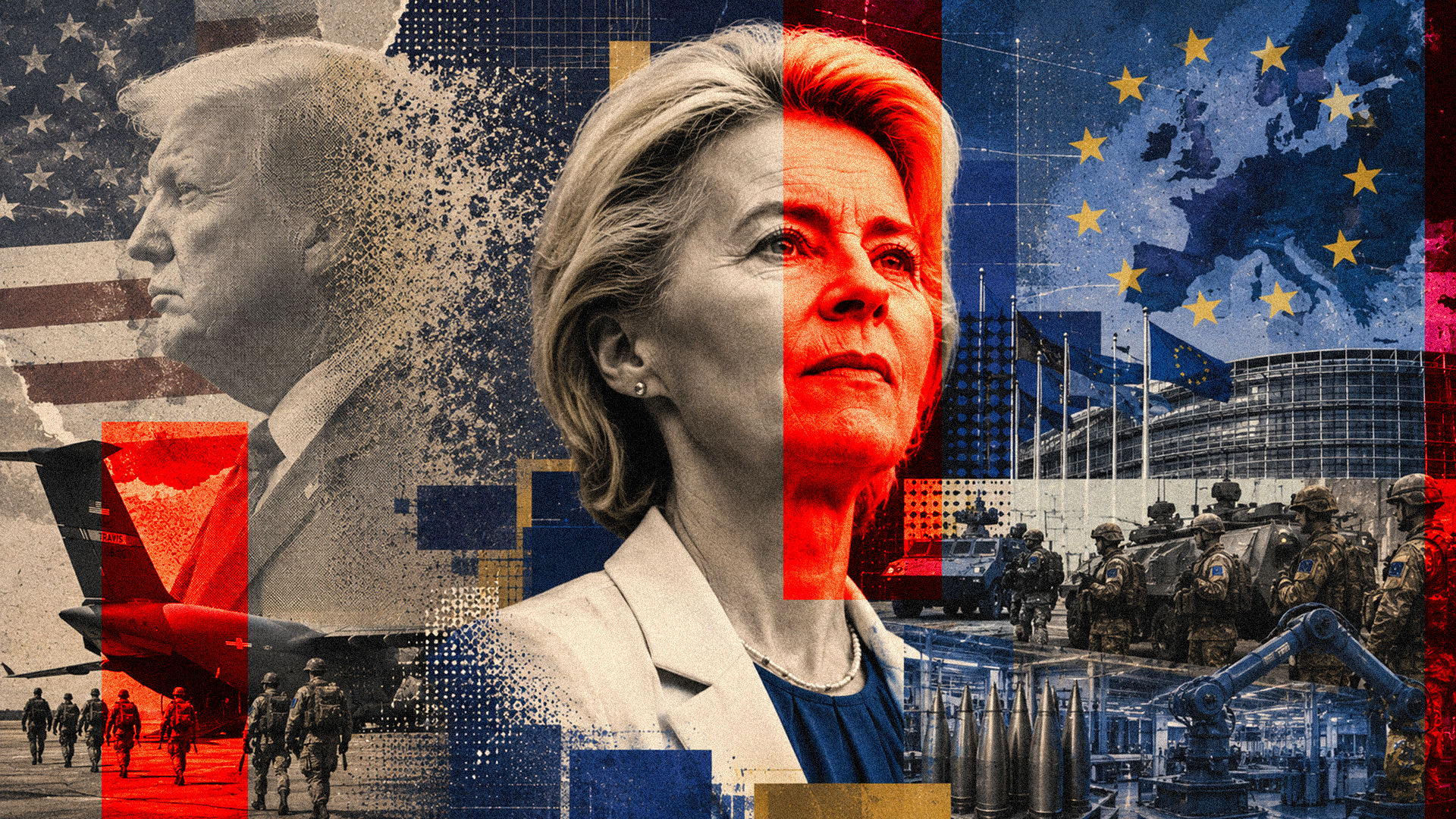
The United States will retain substantial leverage over European nations, which have no alternative. Europe’s dependence on the USA persists or even deepens in the technology, finance, energy and security areas.
As artificial intelligence becomes foundational to economic output and military power alike, technological dependence may overtake security as Washington’ s greatest leverage, leaving even a more militarily autonomous Europe bound to the United States.
The dollar’s reserve role and financial infrastructure allow Washington to impose costs faster than Europe can insulate itself. European leaders have discussed beefing up the euro’ s international role and greater financial autonomy, but these are long-term prospects only. For now, transatlantic finance remains anchored by America.
Europe’s exit from Russian gas has led to another dependence. American LNG, new terminals, and long-term contracts have locked in that dependence on a multi-decade horizon. U.S. LNG supply has become both a commercial relationship and a political instrument, providing Washington with additional leverage over Europe.
No actor outside Europe comes close to substituting for the role of the United States as security guarantor, and no single European country can expect to fill the leadership vacuum alone. The United States retains roughly 70,000 personnel and more than thirty permanent bases across Europe.
Soft power stands apart from the other domains of power. Trust in the United States – and its powerful attraction to Europe – has stabilized the transatlantic alliance.
Two things suggest this pattern may be broken. The first is the depth and breadth of the rating drop since Trump’ s return to office. U.S. favorability has fallen across nearly every major European country – in many cases by twenty points or more in a single year. Only 30 percent of French and German respondents say the United States will have a positive influence on world affairs. Majorities in Sweden, Germany, Spain, and the Netherlands describe Trump as dangerous.
According to Pew’s 2025 surveys, Europeans’ confidence that ‘democracy in the U.S. works’ has dropped sharply. Their confidence in Trump’s ability to handle Ukraine, the international economy, U.S.-China relations, the Middle East, and climate is low across the board, suggesting they doubt not only the model of American democracy but the effectiveness of U.S. foreign policy leadership. When asked which country is the world’ s leading economic power, majorities in Greece, Italy, Spain, Germany, Poland, France, and Hungary now name China.
American soft power in Europe is no longer singular. Alongside the traditional liberal model, a version of America rooted in Trump’ s Make America Great Again (MAGA) ideology has gained visibility. It is skeptical of multilateralism, critical of liberal institutions, and aligned explicitly with European political forces that contest the European project itself.
A dependence that persists after affection is gone turns the U.S.-European relationship from a love-based one into a marriage of convenience. And this is more relevant to the European side. Washington continues exploiting the relationship cynically, forcing Europe to abandon its illusion of an equal partnership.
Original publication: https://carnegieendowment.org/research/2026/07/will-american-power-in-europe-run-out