







Read news
Add bookmark
POPULAR
How Much Do Experts’ Ideas Matter for the European Union’s Political Agenda?Oil? Gas? Fertilizer? Just Life.Kalypso Nicolaidis: I Want a Woodstock for European PoliticsCan Europe ever become energy independent? A dangerous illusion and harsh reality of dependencyHow the “virtues” of neoliberal globalization paved the way to its demiseThe Gulf War and Europe’s Helpless Energy PolicyWhen Loneliness Pays Off: The Economics of Loneliness in the Digital AgeWhy capitalism is fundamentally undemocraticEurope Still Needs China: Washington is the Main ThreatA Gas Dead End for Europe
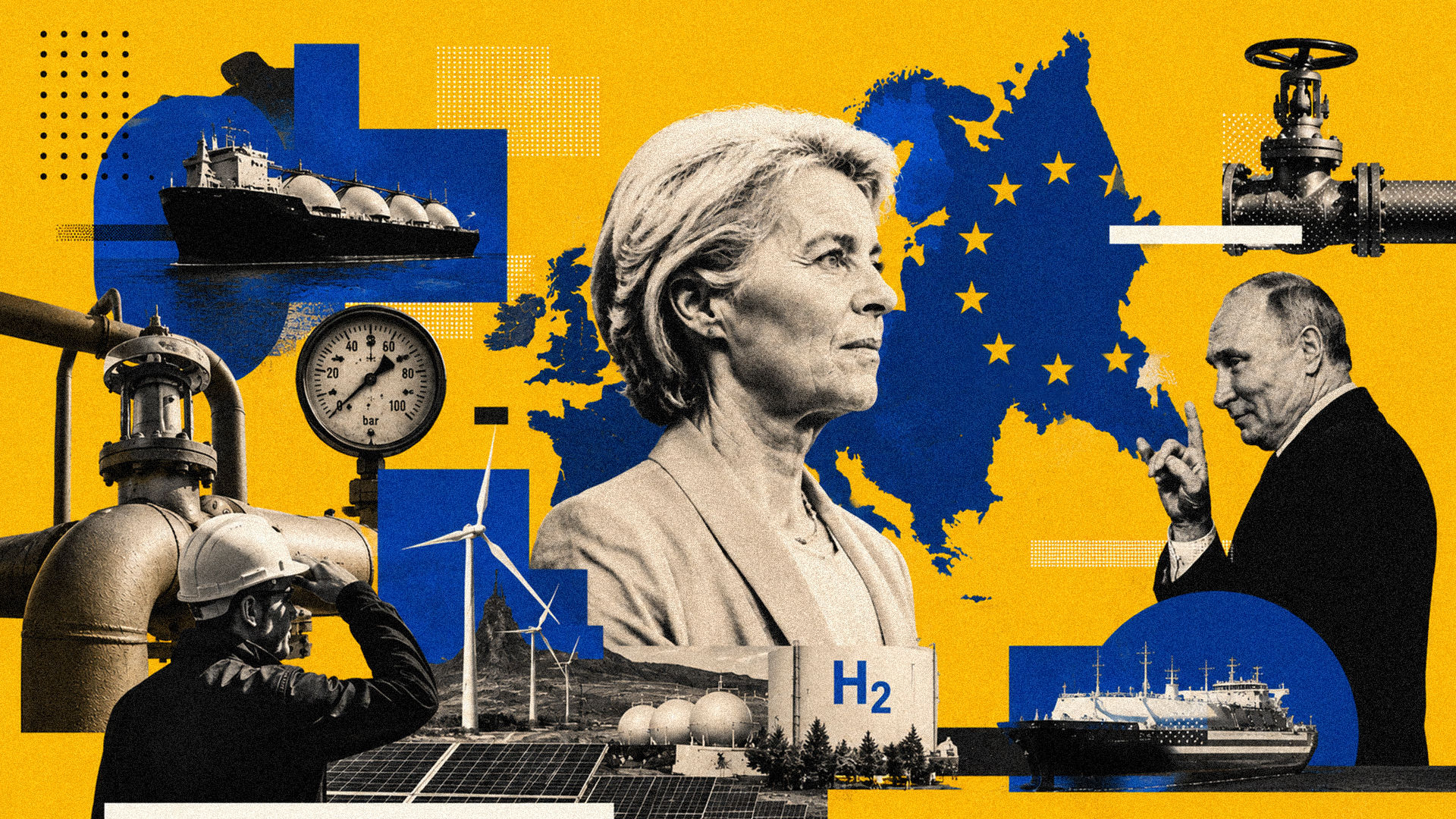
Europe seems to have driven itself into a dead end on gas. By boldly rejecting piped gas from Russia, the EU has traded one dependency for another. Working with the global LNG market has made the fuel supplies more secure but notably less affordable.
In their analysis, Lucia van Geuns and Jilles van den Beukel from The Hague Centre for Strategic Studies argue that Europe needs an agreed and comprehensive gas strategy which includes LNG imports, gas storage, and strategic reserves. Where can it come from? And how soon can Europe’s gas sector, that took decades to develop, be transformed?
The termination of production at the Groningen field and nearly complete loss of Russian pipeline gas have fundamentally altered the European gas market.
For decades, Europe could rely on two important sources of volume and flexibility: the Groningen field and Russian pipeline gas. Both systems were able to adjust production relatively quickly to demand. That would not only meet annual demand for gas but also cover strong peaks during cold winter periods. It was enough for Europe.
Now Russia is lost, and production in Groningen has been discontinued. They have been replaced by LNG, and in terms of flexibility, gas storage facilities have come to play a greater role.
LNG has unmistakable advantages. The global market makes it possible to import gas from different regions and reduces dependence on individual suppliers. In addition, global LNG capacity will increase significantly in the coming years. This reduces, if not eliminates completely, the risks to physical security of supply.
At the same time, LNG brings in a fundamentally different dynamic. Whereas pipeline gas was often supplied under relatively stable contractual relationships, now Europe is competing in a global market with customers in Asia and other regions. Consequently, geopolitical tensions, disruptions to shipping routes, or unexpected shifts in supply and demand can have direct and quite serious repercussions for all Europe.
Despite the loss of large volumes of Russian gas, the security of supply ultimately remained intact. LNG found its way to Europe and the storage facilities remained sufficiently filled. Nevertheless, the economic costs amounted to hundreds of billions of euros. Energy-intensive industries saw their competitive position deteriorate, and households were confronted with sharply rising energy bills.
Europe’s gas policy has been reactive in recent years. The crisis was followed by ad hoc measures such as price caps (market-distorting) or joint purchases of gas (inefficient and not really getting off the ground). While being logical parts of crisis management, these measures do not constitute a coherent long-term strategy. The strict and ambitious filling levels established annually distort the seasonal storage market and lead to a lower, and sometimes even negative, difference between the winter and summer gas prices.
The closure of Groningen and the greater role of LNG have increased the need for flexibility and strategic reserves.
According to the authors, today the biggest challenges probably lie not so much in technology and storage as in how the responsibilities, costs, and permitting are organized. Gas security is not a Dutch but a European energy issue. The European gas market is highly integrated, with ample cross-border transport capacity and closely intertwined gas and electricity markets. It will certainly be impossible to come to terms and balance responsibility promptly. Besides, extremely protracted licensing and other surprises of European bureaucracy may hinder the timely implementation of strategic solutions.
Original publication: https://hcss.nl/news/expert-analysis-europas-gasdilemma-hoe-bouwen-we-zekerheid-in-een-onzekere-wereld/