







Read news
Add bookmark
POPULAR
How Much Do Experts’ Ideas Matter for the European Union’s Political Agenda?Kalypso Nicolaidis: I Want a Woodstock for European PoliticsOil? Gas? Fertilizer? Just Life.Britain Wants to Get Back to Europe But Is No Longer WelcomeHow the “virtues” of neoliberal globalization paved the way to its demiseEurope Again Seeking Escape in an Illusion of a Common CauseEurope Still Needs China: Washington is the Main ThreatSticking Power or a Sticking Plaster? How the New Armed Forces Bill Will Affect the UK’s Preparedness for WarMagyar’s MandatePublic Opinion Already Wants to Rejoin EU, with Politicians Still Wary
In a Project Syndicate article entitled Beyond Brexit – and Back to Europe Mark Leonard, director of the European Council on Foreign Relations, argues that in the ten years after the Brexit referendum, public opinion on both sides of the English Channel has undergone a remarkable shift. According to ECFR polling, most Britons are now disillusioned with the results of Brexit and want a closer relationship with the Continent, including the possibility of rejoining the European Union. Yet, in the author’s opinion, political élites both in London and across EU capitals continue sticking to old patterns and lagging behind public sentiment.
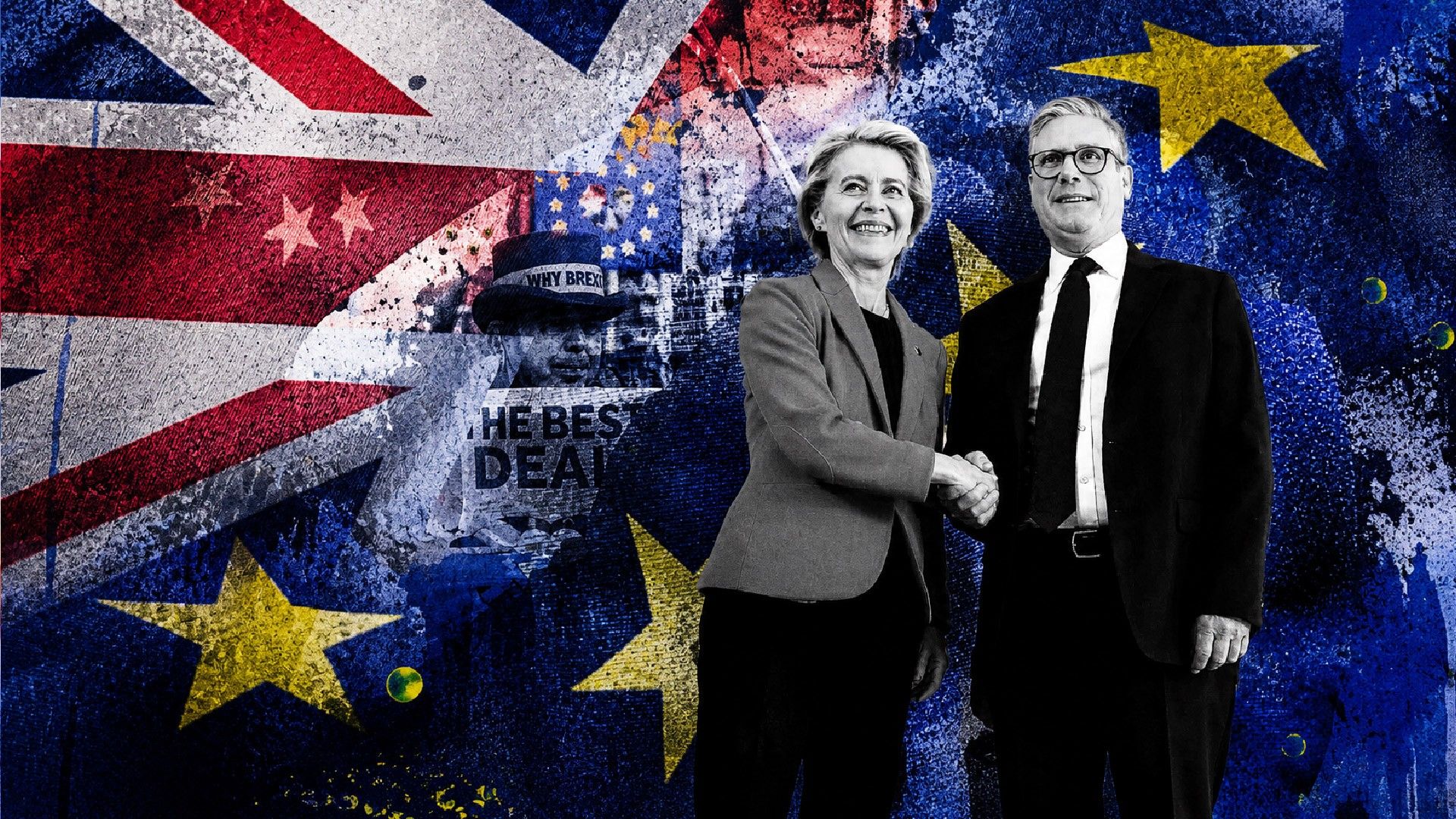
M. Leonard notes that in Britain the adverse political and economic consequences of Brexit have become so evident that, even among ‘leave’ voters, a growing number of people are ready to reconsider their position. The biggest game changer has been Donald Trump’s return to office. Faced with increasingly unreliable U.S. guarantees of security and economic cooperation, Britons are turning to Europe as a closer and more predictable partner.
The author attributes the change in British public opinion to domestic problems as well as external factors – mainly an erratic U.S. policy. While previously only a small margin of society perceived European integration as part of British political identity, today fears of isolation and loss of influence in the world make even many former Brexit supporters consider the need for closer ties with the Continent.
At present the situation looks more complicated than ‘the public wants rapprochement but politicians hamper it’. Even though a major part of British society indeed favors closer relations with the EU, the national political system remains deeply polarized on the issue. The Conservatives and especially the rising Reform UK party remain staunch defenders of the Brexit heritage, and any visible rapprochement with the EU stays toxic for them. In this situation, even a potentially more pro-European leadership of the Labour Party has to use extreme caution to avoid triggering a new round of political crisis at home.
And the European side’s readiness for deeper rapprochement with the UK remains limited. Although many European countries are interested in a British contribution to security and defense, they are reluctant to considerably soften their stance on other matters (access to the single market and customs union, and regulatory compliance) for its sake. As a result, progress is slow and accompanied by numerous reservations even where the interests are objectively the same.
The article highlights that the European élites are still wary of creating the precedent of ‘special treatment’ of Britain – fearing it could erode discipline within the EU and weaken the argument that leaving the Union has serious negative consequences. So even where cooperation could be mutually beneficial, it is hindered by political considerations and fears of ‘losing face’.
As a result, in the ten years after the referendum the situation has changed less than it might seem at first glance. Public opinion has really shifted towards greater openness to cooperation, but the political systems in both Britain and the EU remain hostages to the old narratives and fears. Until the élites find a way to bridge this gap between public sentiment and political reality, the relations between the United Kingdom and Continental Europe will remain uncertain and unsatisfactory, which is detrimental to both parties amid the mounting external challenges.