







Read news
Add bookmark
POPULAR
How Much Do Experts’ Ideas Matter for the European Union’s Political Agenda?Oil? Gas? Fertilizer? Just Life.Kalypso Nicolaidis: I Want a Woodstock for European PoliticsHow the “virtues” of neoliberal globalization paved the way to its demisePalantir and the New Order: Neoliberalism is dead. Say hello to TechlordismBritain Reaping the Fruit of Migration Without Assimilation – with the Authorities Still Claiming that Only the Right Wing Is to BlameThe Gulf War and Europe’s Helpless Energy PolicyEurope: doctrinal shift towards violence. Transition to a war economy instead of a “liberal democracy”AI and Democracy: Carnegie Endowment Paving the Way to Big TechPolitical Circumstances or a Systemic Crisis?
Experts of the Atlantic Council ask who is to blame for the UK’s high turnover of prime ministers.
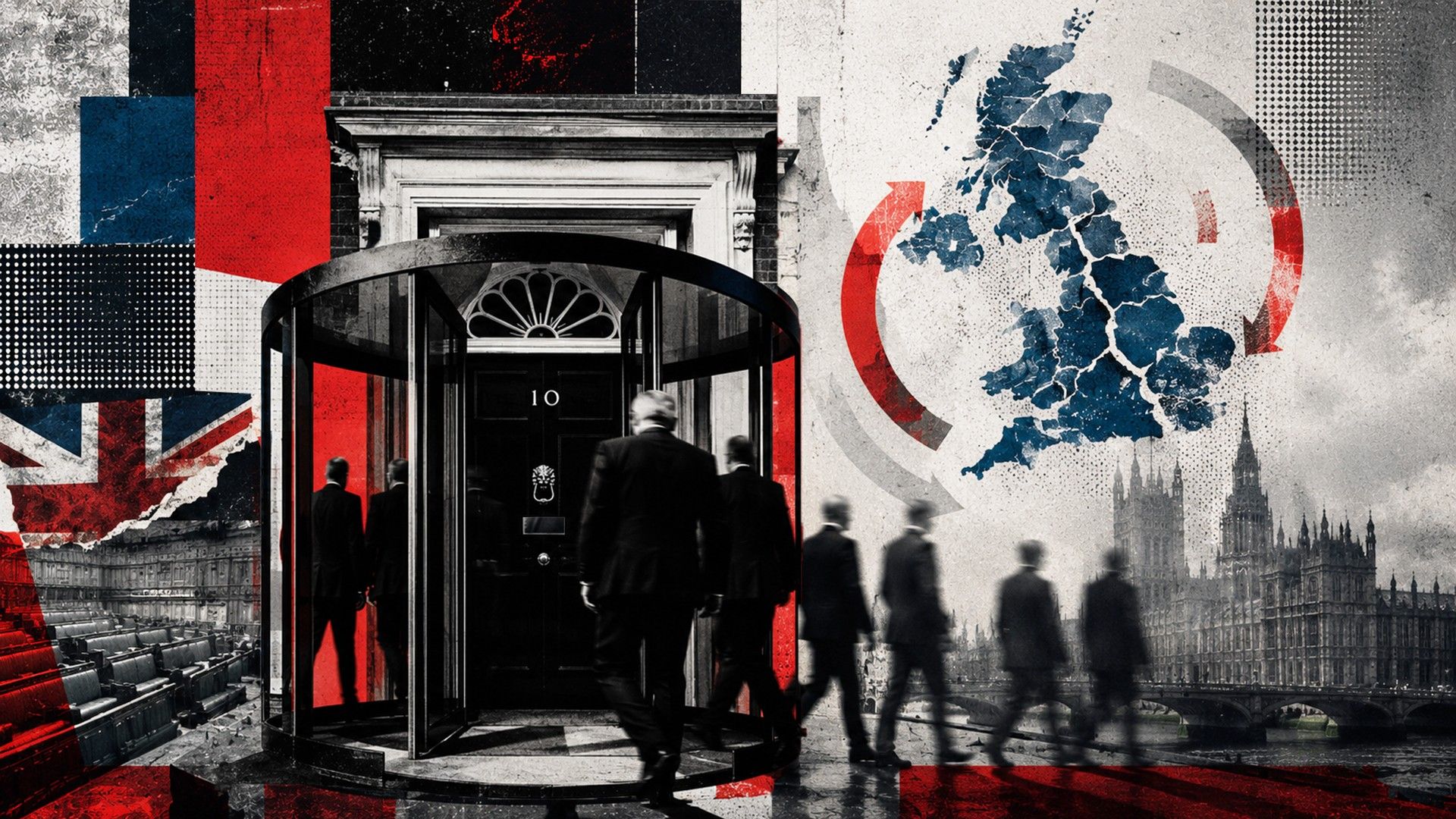
Less than two years ago, Sir Keir Starmer won a general election in a landslide, bringing Labour back to power after fourteen years in opposition. But he was also the sixth prime minister in the past decade to say his farewells from No.10 Downing Street.
So, how much of Starmer’s exit was the man himself? How much the British state? And how much the wider politics of European liberal democracies?
Starmer won the 2024 election after years of post-Brexit turmoil. Assuming he would have at least five years in office, Starmer was candid about the scale of the challenge facing the country and his approach to front-load unpopular economic choices that he and Chancellor of the Exchequer Rachel Reeves argued would reap benefits later in the term.
Starmer is not a natural born political communicator, and his inability to articulate a clear vision that could bring the country with him through tough choices undermined his standing with the electorate. An early cut to winter fuel allowances was poorly judged, and his popularity spiraled. Belated U-turns on unpopular proposals could not unring the bell with the public.
Starmer was too left-wing for the right, too right-wing for the left, and too lacking in charisma and communications skills to bring the country with him.
But neither Britain’s financial and economic problems after the Brexit nor the prime ministers’ personalities fully explain why each prime minister has had a shorter term than expected. Each departure has come with its own specific circumstances (from Johnson and the Partygate scandal to Starmer and his ill-judged appointment of Mandelson), but it all merged into a pattern.
This is a crisis of mainstream politics in the United Kingdom. The Conservative Party badly tarnished its brand with numerous changes in leadership during its period in power, and now the Labour Party is following suit. With the 2029 election looming, non-traditional parties further to the right and left are waiting in the wings if Andy Burnham fails to change perceptions.
But this is not a new nor exclusively British phenomenon. Britain’s and Europe’s governance problems go deeper and can be traced back to the 2008 financial crash. Decades of low European growth and compounding and diverse crises have exhausted public faith in mainstream politics.
In Germany, the once-dominant center-left and center-right parties are being threatened by fringe parties. In France, the standard-bearer center-left and center-right parties were ousted in 2017 by President Emmanuel Macron’s upstart centrist party, which is itself under threat from fringe parties today. Both Macron’s and German Chancellor Friedrich Merz’s polling numbers are currently worse than Starmer’s.
For Europe to address the multifaceted and complex challenges it faces, it requires steady leadership, strategic vision, and grip, undergirded by sustainable financing and institutional coordination.
But there is a question: how much are the experts of the Atlantic Council, a U.S. organization, interested in this scenario – or would they prefer a weak and unstable Europe?
Where can the sustainable financing come from – now that economic growth is no longer there? Where will the steady leadership and institutional coordination come from amid an institutional crisis and lack of confidence in the politicians? What should the strategic vision rest upon when the future is foggy? The Atlantic council’s experts don’t even ask these questions, for answers to them are nowhere to be found in the current political situation.