







Read news
Add bookmark
POPULAR
How Much Do Experts’ Ideas Matter for the European Union’s Political Agenda?Oil? Gas? Fertilizer? Just Life.Kalypso Nicolaidis: I Want a Woodstock for European PoliticsMaking the European Carbon Market an Industrial Policy Magic Wand Attempted AgainHow the “virtues” of neoliberal globalization paved the way to its demiseTurkey Offering Europe Its Mediation Again, Europe Again Ready to Accept ItThe weak point: Why pharmaceutical security belongs at the heart of European defenseEurope’s Insurance Market in CrisisFrance Losing Access to New Medications
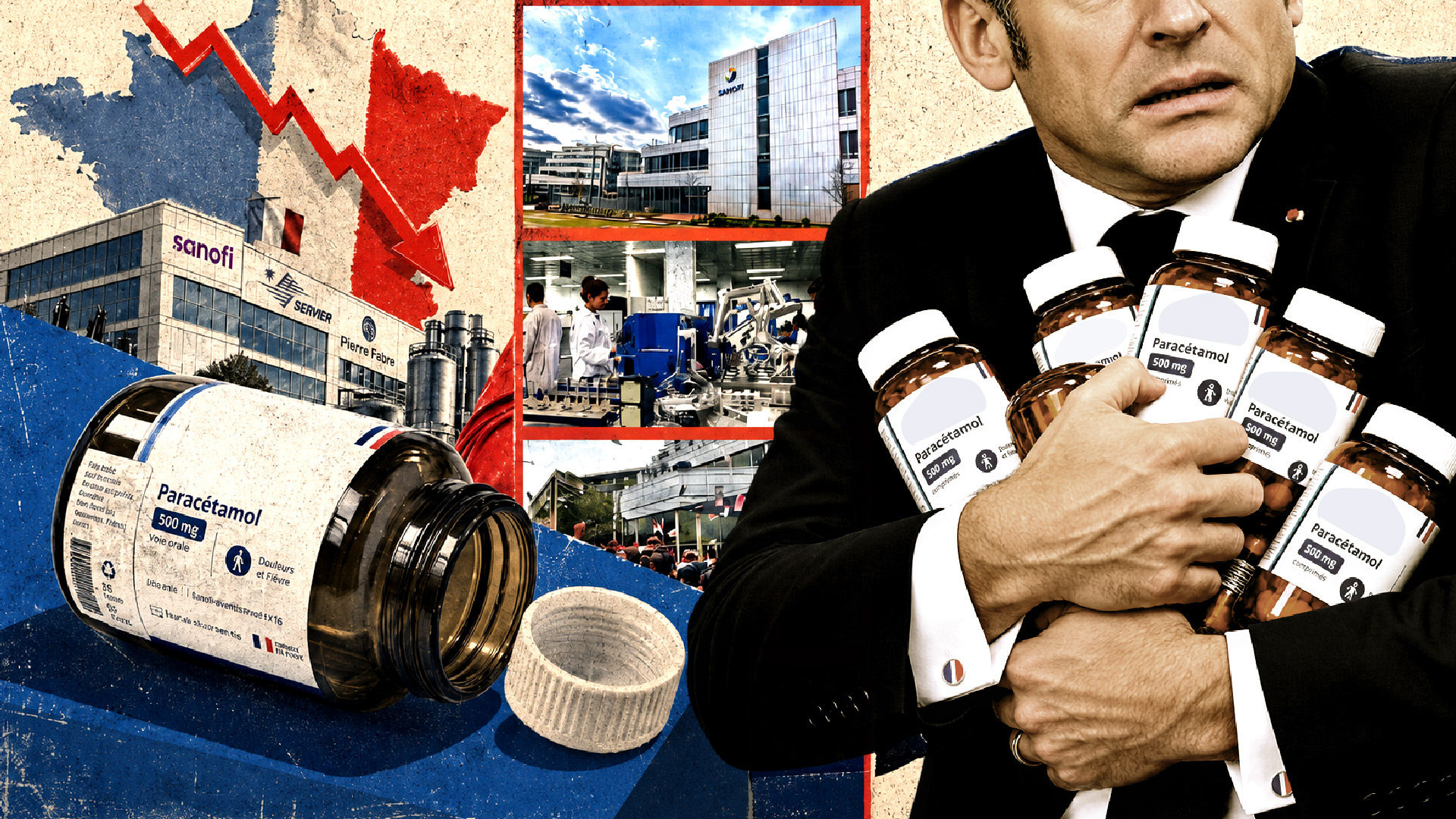
France still promises equal access to the best medicines. But in fact, it is no longer a center of innovations but a market increasingly bypassed by manufacturers.
In her article entitled Pharmaceutical industry and public health: it is urgent to change our model (Industrie pharmaceutique et santé publique: il est urgent de changer notre modèle) Marie-Pierre de Bailliencourt, CEO of the Institut Montaigne, shows why the previous model no longer works. An abridged version of her paper has appeared in Les Échos.
For a long time, it was not only State generosity that kept the prices low in France. Laboratories would sell the medications at a premium in the United States and agreed to charge lower prices in Europe on that account. A drug sold at 400 in the United States was sold for 100 in Europe and 90 in France. The European patients benefitted from the difference being covered by the American payer.
The White House decree of 23 May 2025 put an end to this imbalance. Washington now aligns its domestic drug prices with the lowest ones charged in developed countries. The French price, which is already lower than the European average and some 30 percent lower than its German equivalent, may now become the price that caps pharmaceutical revenues worldwide. From a moderately unprofitable affair, launching new drugs in France has turned into a risk for the global revenue model. Since the new policy was announced, drug launches in Europe have fallen by 37%. Laboratories are bypassing France and mainly choosing Germany or the United Kingdom.
The availability figures no longer match the official rhetoric. Of ten innovative medicines approved in Europe, only six reach French patients – compared to nine in Germany and eight in Italy. For the four missing medicines, there is often no equivalent therapeutic alternative. Health insurance can only reimburse what it has negotiated. It cannot compensate for medications that pharmaceutical companies have decided not to launch in France. The country has already fallen from first place to sixth in pharmaceutical production in Europe, while remaining the world’s fifth largest drug consuming market.
Budgetary logic only accelerates the outflow. Pharmaceutical spending represents 9 percent of the healthcare budget but accounts for 50 percent of the savings demanded. The national health insurance budget deficit has grown to EUR 16 billion in 2025 and may reach EUR 41 billion in 2030. Each year, the price is renegotiated downwards: for 2026, the national health insurance system demanded an additional price reduction of EUR 1.4 billion. With rebates and the safeguard clause included, more than a quarter of reimbursed revenue is taken away from the industry. The rules of the clause have been modified eight times in eight years. And once a new treatment is approved in Europe, France takes an additional 520 days to approve it domestically. Germany usually takes a maximum of 56 days.
The author suggests assessing medicines by the system-wide savings they generate rather than package price, accelerating the approval procedures, and dedicated funding for innovative medicines. The three remedies are mentioned in her paper but lack widespread application. The Doliprane episode exemplifies the hackneyed choice, with the packaging plants secured but the active ingredient still imported from Asia. The social contract whereby illness should not be an economic lottery is only alive as long as the required medication is physically available at the hospital.
This is why the French case should not be reduced to a private dispute between industry and health insurance. Washington has chosen the lowest price in developed countries as the anchor. And one who keeps his anchor the lowest pushes all innovation out to his neighbor. Paris may continue talking about equality; and the manufacturer will look at the price cap, not words. So long as it is as low as the French price, bypassing that market will be a matter of arithmetic, not emotions.
The U.S. decree did not create the French weakness; it just took away the support on which it had rested. If Paris continues withdrawing billions from the industry, dragging out drug approvals and turning its own price into the most convenient benchmark for a foreign price cap, laboratories will move to where both pricing and the calendar are more predictable. The innovations will stay in other countries, and the French patient will be left with promises of versatility and a shorter list of treatments actually available.
Original publication: https://www.institutmontaigne.org/expressions/industrie-pharmaceutique-et-sante-publique-il-est-urgent-de-changer-notre-modele