







Read news
Add bookmark
POPULAR
How Much Do Experts’ Ideas Matter for the European Union’s Political Agenda?Oil? Gas? Fertilizer? Just Life.Kalypso Nicolaidis: I Want a Woodstock for European PoliticsHow the “virtues” of neoliberal globalization paved the way to its demiseEuropean Unity in the Interests of Security. Split along the North-South LineThe European Union Intends to Fight Space Wars. Does the European Military Space Project Have Room for Development?Europe Still Needs China: Washington is the Main ThreatGermany at Hybrid WarHybrid Threats to Europe from Its Arctic Flank
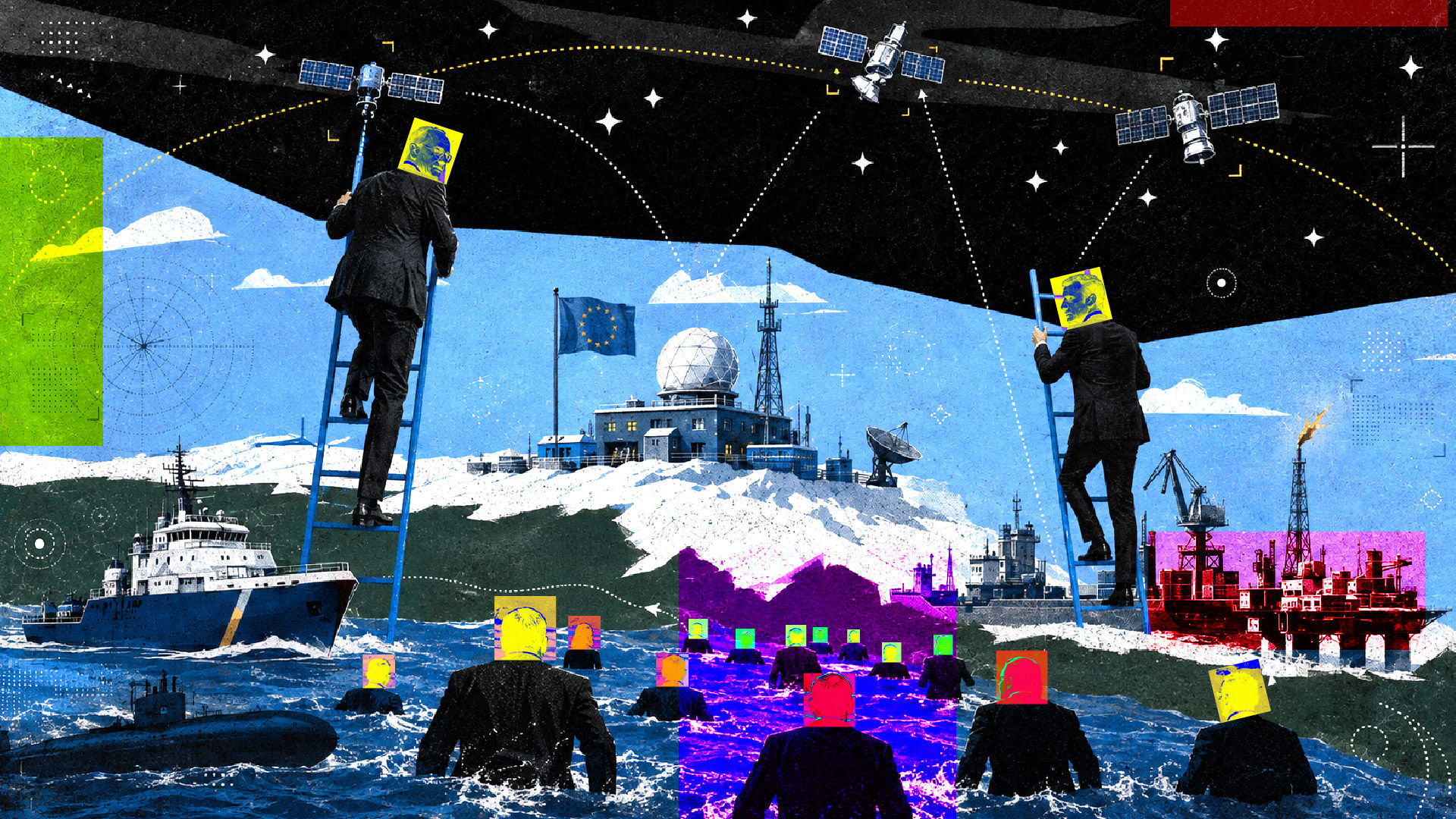
The growth of the strategic importance of the Arctic and U.S. and Russian threats from this flank will require the European Union to invest significant and institutional resources.
The European Policy Centre, a Brussels-based think tank, has published a policy brief entitled From sea to space: How the EU can turn the tide on the Arctic, dedicated to the new European strategy in the Arctic region. The Centre’s experts suggest investing considerable resources there.
According to the experts, the Arctic carries a number of threats to European security. It is warming nearly four times faster than the global average. This is transforming the Arctic ecosystem and geopolitical dynamics with new risks and opportunities. Climate change is making the Arctic resources more accessible.
The risks are compounded by great power competition in the Arctic, America’s retrenchment, Russia’s threat, and China’s polar probing.
Russia increasingly views the Arctic as a strategic priority for economic resources, military security and global power projection. Moscow is aided by China. The two are deepening ties in shorter shipping routes and dual-use infrastructure investment along the Russian Arctic coast.
The US is prioritizing its own vested interests, with the ambition to control Greenland. A seismic shift has happened in Denmark: around 60 percent now see the USA as an adversary.
As Greenland is key to Europe’s technological independence and geopolitical stability, the EU must propose a long-term joint investment fund for Greenland. Funding and technical support for small local administrations that put people first will lay a foundation for stability in the region.
The increasing accessibility of the Arctic brings in new security realities, including the potential for increased drone, submarine, and intelligence-gathering activities. Attacks on subsea infrastructure are a serious security concern. There have been at least 17 incidents damaging the High North network since 2018, of which 14 since 2021.
Three fiber optic cables in Greenland were damaged in 2019. In Norway a cable in the Lofoten-Vesterålen area disappeared in 2021, possibly providing intelligence of the unique Norwegian technology to foreign governments. A year later, one of two fiber optic cables connecting Svalbard to Norway proper disappeared.
Infrastructure security and connectivity deepen the rationale for a contiguous Atlantic-Arctic-Baltic space: undersea infrastructure, sea lines of communications, satellite data, supply chains, rail lines, and civil-military communities constitute one integrated operational system. Damage to contiguous infrastructure would also have a spillover effect. A disruption in Svalbard may affect the security in the GIUK gap and the Baltic Sea.
Against this backdrop, the EU’s current 2021 Arctic policy, focusing on a peaceful, sustainable and prosperous Arctic, has fallen behind new strategic realities. The EU’s Arctic policy does not sufficiently address the nexus between geopolitics, climate change and security in the Arctic. The EU should accelerate action against short-term risks in 2026-2028.
The proposals by experts of the European Policy Centre suggest that the European Union’s desire to exert influence in the Arctic region amid the new geopolitical risks of a standoff with Russia, spoilt relations with the USA, and China’s economic expansion will require considerable resources – given the mounting issues of climate change, migration, and industrial decline.
Original publication: https://epc.eu/publication/from-sea-to-space-how-the-eu-can-turn-the-tide-on-the-arctic/