







Read news
Add bookmark
POPULAR
How Much Do Experts’ Ideas Matter for the European Union’s Political Agenda?Oil? Gas? Fertilizer? Just Life.Kalypso Nicolaidis: I Want a Woodstock for European PoliticsEurope’s Insurance Market in CrisisEuropean Union ChallengesHow the “virtues” of neoliberal globalization paved the way to its demiseThe Gulf War and Europe’s Helpless Energy PolicyThe InvalidsClimate Change Threatening Europe’s Security
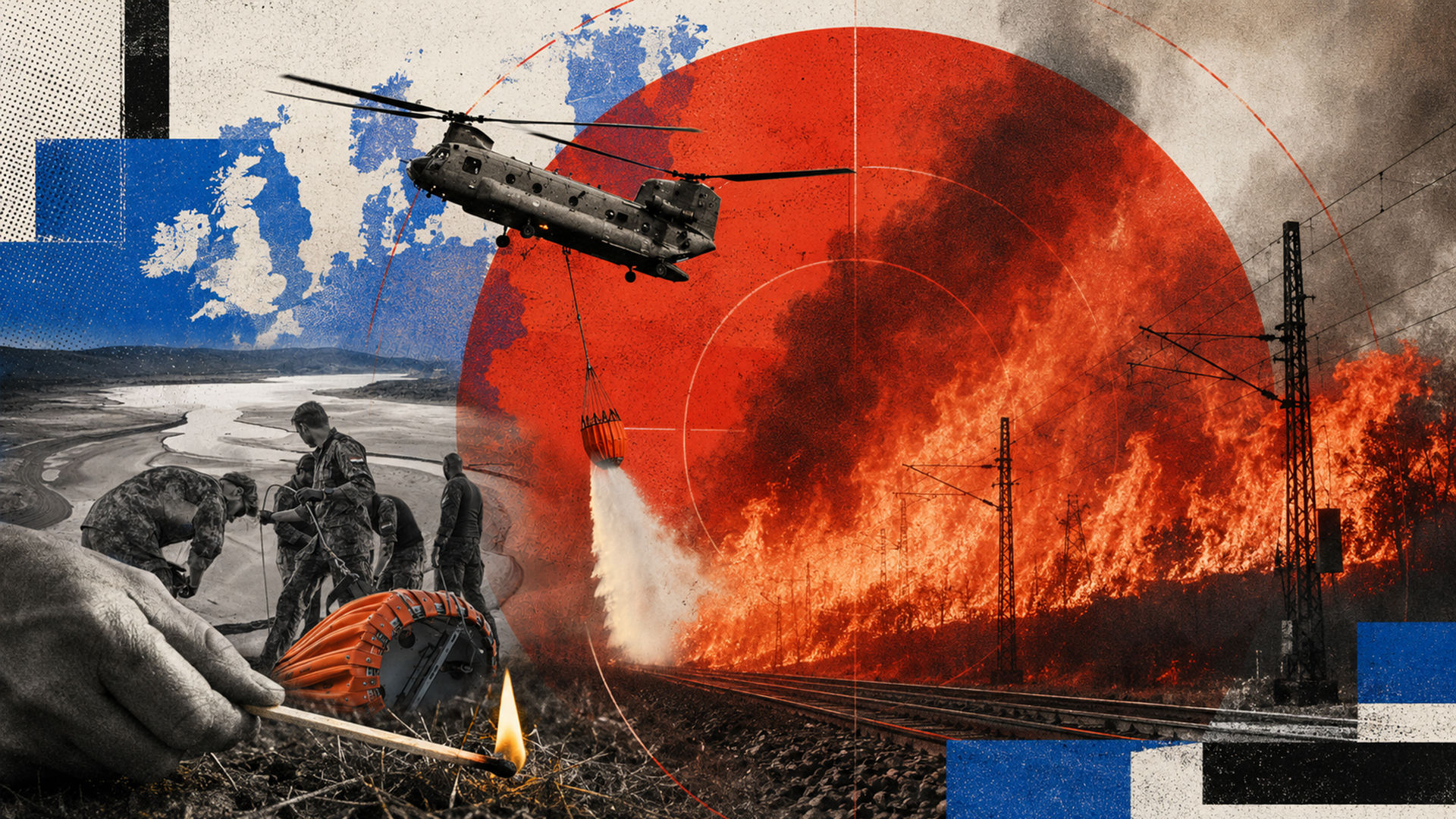
The military could help mitigate natural disasters. Instead of countering this threat, the resources are being spent on geopolitics.
In his article on the website of the UK-based Chatham House policy institute, Dr. Patrick Schröder writes that summer heatwaves become a serious security threat for Europe.
Climate change is now Europe’s biggest systemic security risk. As the continent faces its worst ever summer of extreme heat, drought and wildfires, no other threat is simultaneously affecting so many countries, people and critical systems.
The extreme heat contributed to an estimated 10,000 excess deaths during the June heatwave, which also destroyed roughly 9 million tonnes of crops from the European harvest. So far this year over 600,000 hectares of land and forests have burned, with hundreds of thousands of people forced to evacuate. Homes, businesses and essential infrastructure have been damaged. Falling river levels have forced nuclear reactors to shut down.
Extreme heat and water shortages are threatening water and food security, restricting river and rail transport and putting strain on health and emergency services.
But this climate catastrophe has not only socio-economic consequences. Climate change is also making Europe more vulnerable to non-conventional attacks. Prolonged heat and drought can turn countries into a ‘tinderbox’, as UK prime minister Andy Burnham warned last week, before his government sent a national emergency alert over wildfires.
In these conditions, a single act of arson can cause mass evacuations, destroy infrastructure and overwhelm emergency services. These arson attacks are easy to carry out and difficult for authorities to prevent. This makes wildfire a potentially devastating instrument of terrorism or asymmetric warfare. This year, France has arrested almost 500 people on suspicion of starting fires.
The risks of wildfires caused by drought make European countries particularly exposed to military conflicts, as fires may be caused by drone or missile attacks as well as intentional acts of sabotage.
This requires serious investment in security. In 2020–2024, climate-related disasters caused a yearly average of EUR 45 billion in direct EU losses. Assessments suggest the EU needs to invest approximately EUR 70 billion a year in climate adaptation to prevent the worst impacts. The UK needs to invest around GBP 11 billion annually, according to a May report by the UK Climate Change Committee.
The data and conclusions in Patrick Schröder’s article are staggering. But the author forgets that the climate is changing worldwide – and calls for more European investments in cutting emissions and continued decarbonization. He calls this ‘mitigating the underlying cause’ and argues that Europe’s decarbonization matters not only for reducing emissions but also for its global signaling effect in encouraging other countries to follow suit.
But the rest of the world is reluctant to follow Europe’s example and continues developing its industries. In this situation, investments should go into preventing damage from natural disasters whose causes we are unable to address.
Dr. Schröder rightly notes that the military can play an important role – by providing aircraft, engineering expertise, communications, logistics and personnel when civilian capacity is overwhelmed. But he forgets that European NATO allies’ efforts are now directed outside Western Europe. In this situation, armed forces will be unable to provide any meaningful assistance in protecting domestic security from natural disasters caused by climate change.
Original publication: https://www.chathamhouse.org/2026/08/wildfires-and-extreme-heat-show-climate-change-now-europes-biggest-security-threat