







Read news
Add bookmark
POPULAR
How Much Do Experts’ Ideas Matter for the European Union’s Political Agenda?Oil? Gas? Fertilizer? Just Life.Kalypso Nicolaidis: I Want a Woodstock for European PoliticsEurope Still Needs China: Washington is the Main ThreatA Ruthless Diagnosis. Europe More Paralyzed than DividedHow the “virtues” of neoliberal globalization paved the way to its demiseEuropean Unity in the Interests of Security. Split along the North-South LineThe EU Remains Biased Against Central and East Europe: Unity Yields to Western ArroganceDefending Europe without the US: an illusion of strategic autonomy and a reality of strategic helplessnessWashington and Moscow Get New Leverage over Europe
In her article entitled Chilled ambitions: How the Iran war is foiling Europe’s LNG plans, Agathe Demarais, Senior Policy Fellow at the European Council on Foreign Relations, discusses how hard the Iran war has hit the European energy sector.
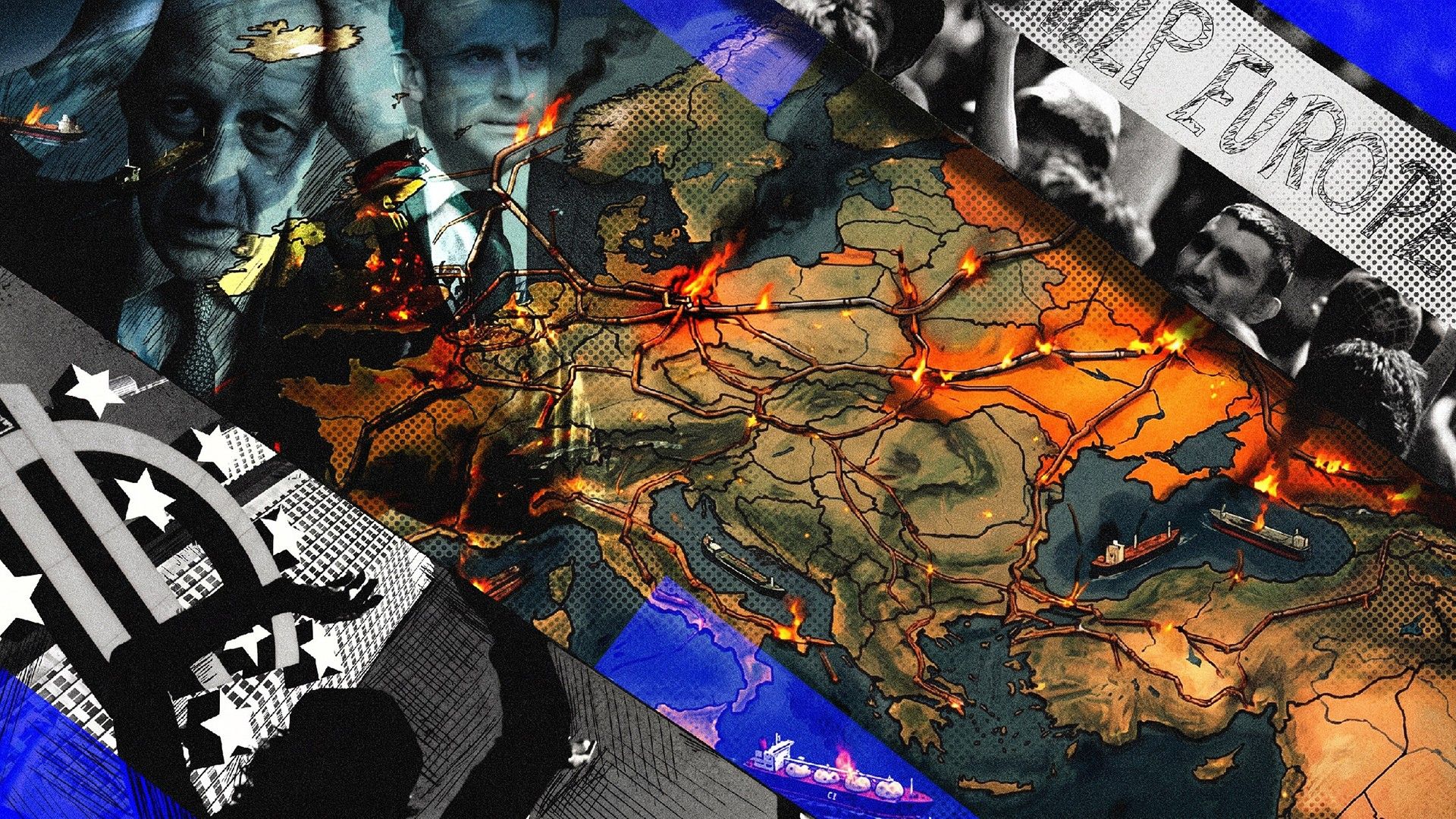
In the Iran war, Europe’s main problem relates to liquefied natural gas (LNG) rather than oil. It results not just from the blocked Strait of Hormuz: after it reopens, Europe’s LNG problem will persist.
Iran’s attack on the Ras Laffan LNG complex wiped out 17 percent of the plant’s production capacity and 3 percent of global LNG output. The site routinely ships about a fifth of global LNG supplies. The infrastructure will take years to rebuild.
After Europe refused Russian piped gas supplies, LNG now accounts for almost half of EU gas imports, up from 20 percent in 2021.
Europe has pivoted to LNG imports from the USA, Norway and Qatar. The EU expected that new LNG supplies coming online later this year and in 2027 would help it wean itself off Russian hydrocarbons completely. The damage to Qatar’s Ras Laffan, the world’s largest LNG complex, now puts that strategy in jeopardy.
The long-term picture is bleaker still. Before the war, a wave of new projects – particularly in Qatar and the USA – looked set to boost global LNG supplies by 20 percent in 2026 and 2027. The International Energy Agency is now projecting that global LNG supplies over 2026–2030 will be around 15 percent below pre-war forecasts, with most of the shortfall concentrated in 2026–2027.
As European, South Korean and Japanese firms compete to secure limited shipments, spot prices have hit their highest levels since the 2022–23 energy crisis.
eel. This will leave EU industry at an even greater disadvantage relative to its American and Chinese rivals.
Dependence on American LNG will deepen: only U.S. firms can fill the Qatar gap at the speed that Europe needs, and they already supply nearly 60 percent of the EU’s LNG imports. Donald Trump will use Europe’s reliance on American LNG to extract concessions.
As gas markets tighten, calls for the EU to lift sanctions on Russian hydrocarbons could grow louder. Under RePowerEU, Russian LNG imports are to be phased out; a ban on short-term LNG contracts kicked in on April 25, and deliveries under long-term contracts will be prohibited from January 2027. The conflict in Iran could complicate this plan.
Slovakia has long pressed to delay this timeline, and industrial-sector pressure could push the Italian and German governments in the same direction. The risks of EU fragmentation are high, as other large member States like France (thanks to nuclear energy) and Spain (thanks to renewables) are mostly shielded from rising gas prices.
Europeans have no easy way out of the LNG squeeze in the short run.
Source: https://ecfr.eu/article/chilled-ambitions-how-the-iran-war-is-foiling-europes-lng-plans/